Warning Signs Of Garage Door Failure
Recognizing early warning signs of garage door failure can save time and money. National Garage Door Services outlines the most common indicators so homeowners can act before a crisis. Contact 469-555-8888 to arrange a professional inspection when you notice unusual sounds or slow movement. We help you prioritize repairs to maintain safety and avoid unexpected costs.
Garage doors are one of the most-used mechanical systems in many homes, yet they quietly deteriorate until a breakdown forces immediate attention. Learning the warning signs of garage door failure lets you address small problems before they become expensive or dangerous. In this guide, National Garage Door Services explains what to listen for, what to watch for visually, and which simple tests can flag an issue early so you can plan a repair instead of dealing with an emergency.
When you start to notice subtle changes-an off rhythm, a slight delay, or a travel path that's no longer smooth-those are not normal aging; they are early clues. Responding quickly often means a shorter appointment, cheaper replacement parts, and less stress. If you prefer, call 469-555-8888 to schedule a quick inspection; a professional can confirm the cause and recommend a safe, practical next step.
Mechanical warning signs: noises, vibrations, and straining parts
Many physical symptoms of an aging door come from strained or failing mechanical components. Squealing, grinding, or clanking noises during operation typically point to worn rollers, loose hardware, or failing springs. These sounds aren't just annoying-they indicate metal-on-metal wear or misaligned tracks that will get worse if ignored. An early visit from a technician can often restore smooth operation with simple lubrication, tightening, or component replacement.
Vibrations and an uneven movement pattern are also important warning signs of garage door failure. If the door shakes, jerks, or hesitates mid-travel, you may be dealing with unbalanced springs, bent tracks, or damaged rollers. These issues change how forces are distributed across the system and accelerate wear on the opener and hardware. Fixing balance and alignment early protects the opener and reduces the chance of a sudden failure.
Common mechanical indicators to watch for
- Persistent scraping, grinding, or loud popping during opening/closing
- Door moves unevenly or seems to hang on one side
- Visible gaps between panels or warped sections
- Loose or missing bolts and brackets at tracks and hinges
- Sagging torsion spring or visibly worn cables
Spotting any of these should prompt an inspection. While some homeowners are comfortable tightening loose hardware or lubricating rollers, anything involving springs and cables should be handled by a trained professional because of the high tension and safety risks involved.
Opener and electrical signs: responsiveness, sensors, and safety reversal
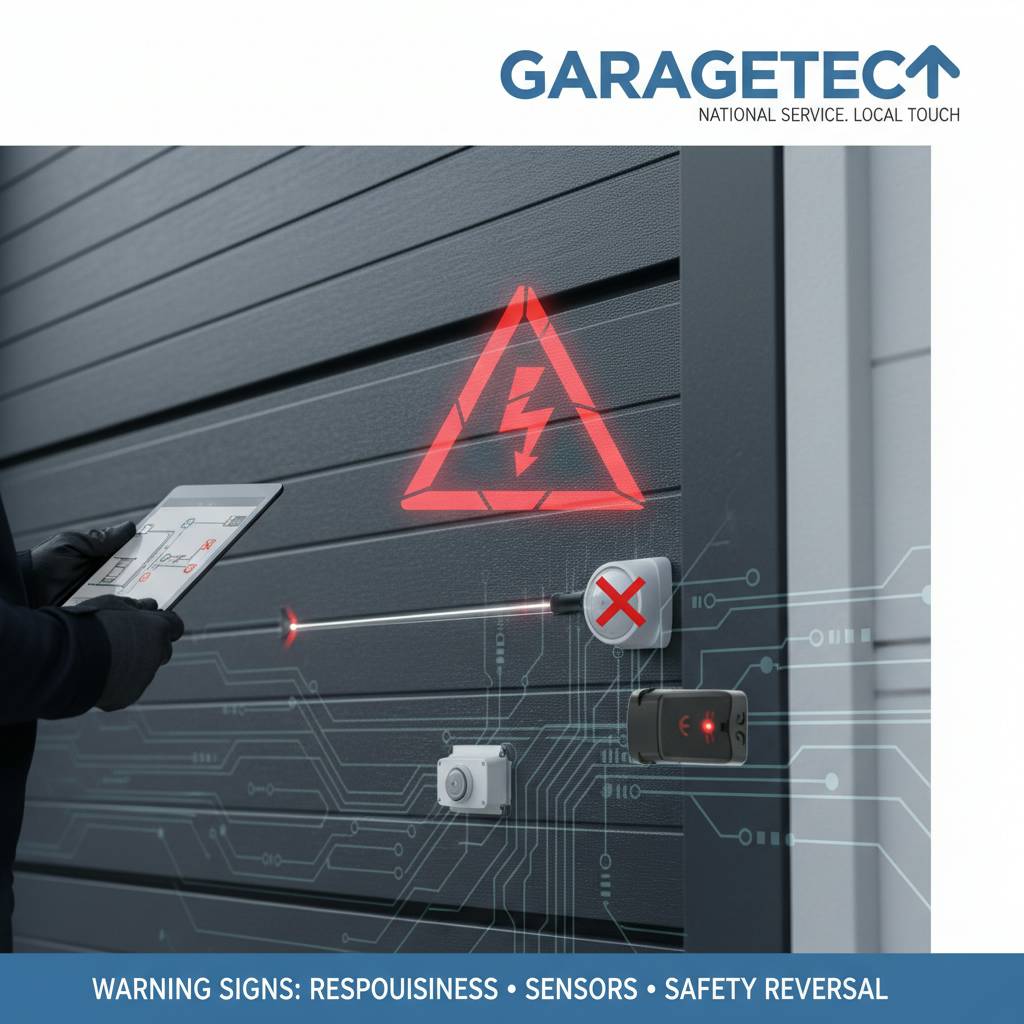 Modern openers are reliable, but electrical components and sensors show early signals of trouble that are often misinterpreted as door issues. If the opener runs but the door doesn't move, or if it takes multiple remote presses to respond, the opener's motor, circuit board, or wiring may be the problem. These components can degrade with age, exposure to heat, or repeated power surges, and a timely diagnosis prevents complete failure.
Photo-eye sensors and safety reversal tests are critical for safe operation. If the door reverses unexpectedly, stops mid-way, or fails to reverse when an obstruction is present, the sensors may be misaligned, dirty, or failing. Troubleshooting usually starts with cleaning and realigning sensors, but persistent failures often point to control board or wiring issues that require professional troubleshooting.
Signs specifically tied to the opener
- Opener runs but door doesn't move, or moves very slowly
- Remote control or keypad response delays or intermittent control
- Door reverses without an obstruction or fails reversal safety tests
- Burning smells, smoke, or visible overheating around the motor
When the opener itself shows electrical faults-flickering lights, unusual odors, or erratic behavior-stop using the system until a technician evaluates it. Electrical failures can damage other components and create a fire risk or safety hazard if not promptly addressed.
Physical damage and environmental effects: panels, tracks, and rust
Physical damage to panels and tracks is often obvious but sometimes grows slowly and is minimized in homeowners' perception until movement becomes difficult. Dents, rust, and warping from harsh weather or accidental impact change how the door moves within its frame. Even small dents can lead to binding in the tracks and force the opener to work harder, accelerating wear across the system.
Environmental factors like humidity, salt air, or temperature swings contribute to corrosion of springs, rollers, and fasteners. If you live near the coast or in a climate with large seasonal shifts, watch for rust and dry rot in any wood or rubber components. Preventive treatments and seasonal inspections help slow corrosion and keep your door operating safely for longer.
In many cases, panel damage doesn't require a full replacement of the door; targeted panel repair, realignment, or track replacement will restore function and curb visual decline. A professional assessment can determine whether repair or replacement is the most cost-effective route depending on the extent of the physical damage and the door's age.
Safety risks and when to stop using the door
There are clear moments when you should immediately stop using a garage door and call for help. If the door will not stay open, falls unexpectedly, produces grinding or snapping sounds, or has visibly loose springs or dangling cables, do not attempt to operate it further. These are classic warning signs of garage door failure that indicate imminent mechanical failure and a serious safety hazard.
Children and pets increase the risk associated with a malfunctioning door. A door that reverses unpredictably, responds slowly to the opener, or has compromised sensors can cause injury. Temporarily disconnect manual controls if necessary and keep the area clear until a qualified technician from National Garage Door Services evaluates and secures the system. Safety should always be the top priority.
Even if the problem seems cosmetic, such as a gap or misaligned weather stripping, don't ignore it. Minor issues can turn into severe problems when the door operates under misaligned conditions every day. Early intervention keeps the system safe and avoids the greater expense and inconvenience of a sudden failure.
Simple homeowner checks and maintenance to catch problems early
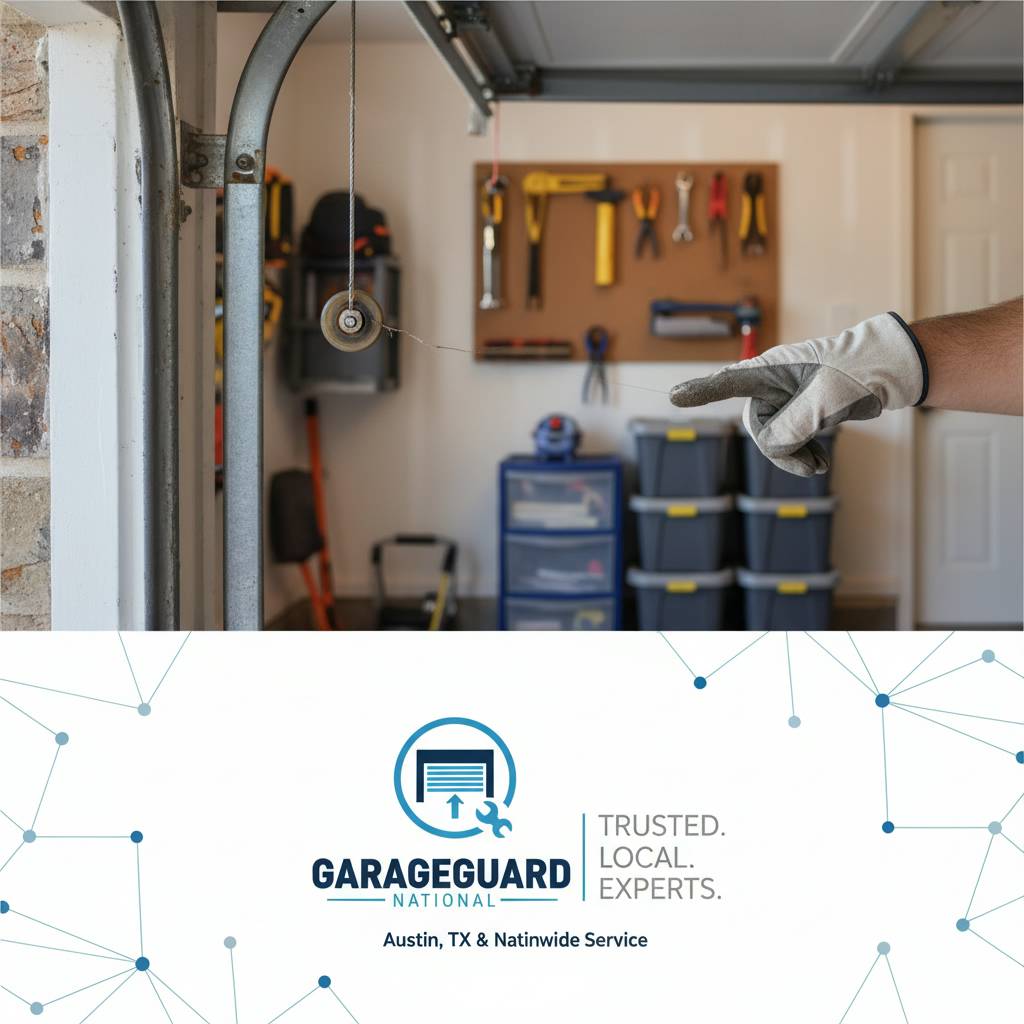 There are practical, non-technical checks you can perform once a month to catch a lot of the early warning signs of garage door failure. Start by listening to the door during operation-note any new noises or changes in movement. Visually inspect springs, cables, rollers, and tracks for wear, rust, or loose components. Tighten visible hardware if it's obviously loose, but never attempt spring adjustments yourself.
Lubrication is a cost-effective way to prolong parts life. Use a silicone or lithium-based lubricant on rollers, hinges, and bearings; avoid light oil that attracts dirt. Clean photo-eye sensors with a soft cloth to ensure they remain free of dust and cobwebs. Run a balance test by disconnecting the opener and raising the door manually halfway-if the door drifts up or down, springs may be out of balance.
Quick maintenance checklist
- Listen for new or louder noises during operation
- Inspect tracks for dents or obstructions and remove debris
- Clean and align photo-eye sensors and test safety reversal
- Lubricate moving metal parts, but never the torsion spring directly
- Check and tighten visible fasteners; leave springs to professionals
These checks won't replace professional inspection, but they will help you recognize early warning signs of garage door failure so you can schedule service before a breakdown. If you spot anything concerning during these checks, contact National Garage Door Services at 469-555-8888 for expert evaluation.
When to call a professional and choosing the right repair
Call a professional when you see signs of tension-related failures, electrical faults, significant alignment problems, or when your initial checks reveal persistent issues. Reputable technicians can diagnose whether a repair, part replacement, or full door replacement is the most economical and safe option. National Garage Door Services consistently evaluates repairs in the context of the door's age, usage frequency, and the household's safety needs to recommend the best course of action.
Choosing the right repair often depends on balancing short-term cost and long-term reliability. For example, replacing a single broken roller is inexpensive, but if the rest of the rollers and hardware are near the end of their life, it may be wiser to replace the entire set for smoother performance and longer-term savings. A professional will clearly explain options, costs, and expected lifespans so you can make an informed decision.
For emergency stops-doors that won't open for vehicle access or present immediate danger-arrange expedited service. Professionals will secure the door, prevent further damage, and provide safe temporary fixes until a permanent repair can be scheduled. For non-emergency but pressing concerns, scheduling routine service helps avoid peak-season delays and keeps costs down.
Frequently asked questions and common scenarios
Homeowners often ask whether a noisy door always needs replacement. The short answer is no: many loud doors benefit greatly from maintenance-lubrication, new rollers, and tightened hardware can restore quiet function. Replacement is recommended when multiple components are failing, panels are significantly damaged, or the door is older than 1520 years and parts are becoming hard to find.
Another common question is whether one should replace springs or the entire system when a spring breaks. Replacing both springs and cables at the same time is typically safer and more cost-effective than piecemeal repairs because it restores balance and reduces the risk of another near-term failure. Consult a technician to determine if additional preventive replacements make sense for your situation.
Ready to act? If you've noticed any of the warning signs of garage door failure-unusual sounds, uneven movement, electrical quirks, or visible damage-don't wait for the problem to grow. Contact National Garage Door Services for a professional inspection and transparent repair options. Call us at 469-555-8888 to schedule a convenient appointment.
We prioritize safety, clear explanations, and cost-effective solutions. Whether you need a quick tune-up or a full component replacement, National Garage Door Services is here to help keep your garage door working reliably and safely. Reach out at 469-555-8888 to arrange service or get an estimate today.