Preventing Unexpected Garage Door Failures
Homeowners in Dallas trust our clear guidance to prevent sudden garage door breakdowns
At National Garage Door Services, we understand that a garage door suddenly failing is more than an inconvenience - it can disrupt your day, compromise security, and lead to costly emergency repairs. Our goal is to equip Dallas homeowners with practical, actionable advice for preventing unexpected garage door failures so you can avoid downtime and preserve the safety of your property. With straightforward inspection tips and recommended maintenance routines, we help you catch small issues before they become emergencies.
Whether you own an older door or recently installed an opener, the same preventive principles apply: regular inspection, timely maintenance, and knowing when to call a professional. In the sections that follow you'll find clear checklists, maintenance schedules, and safety guidance designed for non-technical homeowners as well as those who prefer to handle basic care themselves. If you prefer a hands-off approach, our team is available to perform scheduled maintenance - call 469-555-8888 to learn more.
Common causes of unexpected garage door failures
Understanding why garage doors fail helps demystify what might otherwise feel sudden. Springs, cables, rollers, and tracks take heavy, repeated stress and will eventually wear. Weather-related factors-heat, humidity, or cold-accelerate component fatigue and corrosion, especially in Texas where temperature swings and humidity can be significant. Electronic parts in openers also degrade over time or can be affected by power surges.
Neglect is often the underlying culprit. Small misalignments or a noisy roller can be early warning signs; left unchecked, they can cause more significant damage such as a bent track or a broken torsion spring. Routine inspections detect these early indicators, letting you address them before they escalate into an unexpected failure that leaves your home exposed or your car trapped.
DIY inspection checklist: what to look for and when
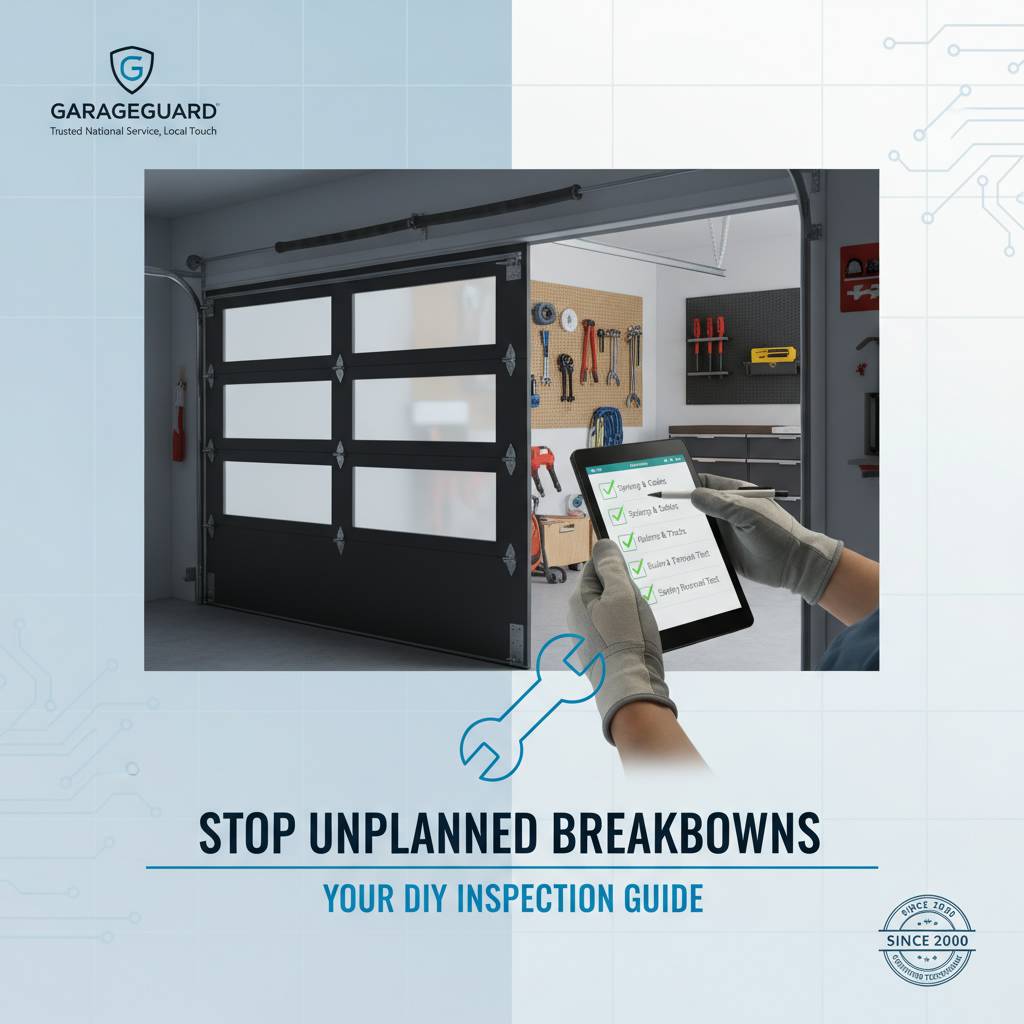 Regular, simple inspections are one of the most effective tools for preventing unexpected garage door failures. You don't need specialized equipment - just a flashlight and a willingness to look closely. Inspect visually and by operating the door through several full cycles to listen and observe for irregular behavior. We recommend monthly visual checks and a more thorough inspection every six months.
Monthly visual check (quick, 1015 minutes)
- Look for visible wear on springs and cables; frayed cables or gaps in the springs are red flags.
- Check rollers and tracks for debris, rust, or dents; ensure rollers turn smoothly without wobble.
- Operate the door and listen for grinding or scraping noises - note where the sound originates.
- Test safety reversal by placing a small object in the door's path to ensure the door reverses on contact.
Detailed six-month inspection (2040 minutes)
Every six months, add a more methodical review: verify the balance by disconnecting the opener and raising the door halfway - it should stay in place. Examine hinges, bolts, and mounting brackets for tightness and corrosion. Inspect the weatherstripping along the bottom and sides for gaps that invite moisture or pests. Tighten loose hardware and make a record of any parts that show accelerated wear so you can prioritize repairs.
Scheduled maintenance plans that reduce repair risk
Scheduled maintenance is the proactive alternative to emergency fixes. Creating a routine - quarterly, biannual, or annual - aligned with your door's age and usage patterns greatly reduces the chance of unexpected failures. High-use doors in multi-car households or homes used as workshops may need quarterly attention, while typical single-family garage doors often follow a biannual schedule.
A basic scheduled maintenance plan should include cleaning and lubrication of moving parts, tightening hardware, checking and adjusting opener settings, and changing worn components like rollers or weatherstripping before they fail. For homeowners who prefer certainty, professional maintenance contracts are designed to identify and replace degraded parts on a predictable timeline, often saving money by avoiding last-minute service calls.
Maintenance tasks to schedule
- Clean and lubricate rollers, hinges, and springs (use a recommended garage-door lubricant).
- Inspect and replace worn weatherstripping to keep out moisture and reduce wear.
- Test and adjust the opener's force and limit settings to prevent undue strain.
- Verify safety sensors alignment and test the auto-reverse mechanism.
When to call a professional: signs you shouldn't delay
Some issues are best handled by trained technicians. Never attempt to repair torsion springs, major cable failures, or heavily damaged tracks yourself - these components store dangerous amounts of energy and can cause serious injury if mishandled. If you detect any of the following, arrange professional service promptly to prevent sudden failure or further damage:
- Broken or visibly missing springs, loose or frayed cables
- Door off its tracks, excessive sagging, or persistent imbalance during manual operation
- Burning smells, sparks, or repeated electronic control failures with the opener
- Repeated auto-reverse failures or misaligned safety sensors
Professional assessment can also be a smart choice for preventive upgrades. For example, replacing extension springs with a torsion spring system, upgrading to heavier-duty rollers, or installing a modern opener with built-in diagnostics can greatly reduce the risk of unexpected failures in the future.
Safety-first recommendations for homeowners
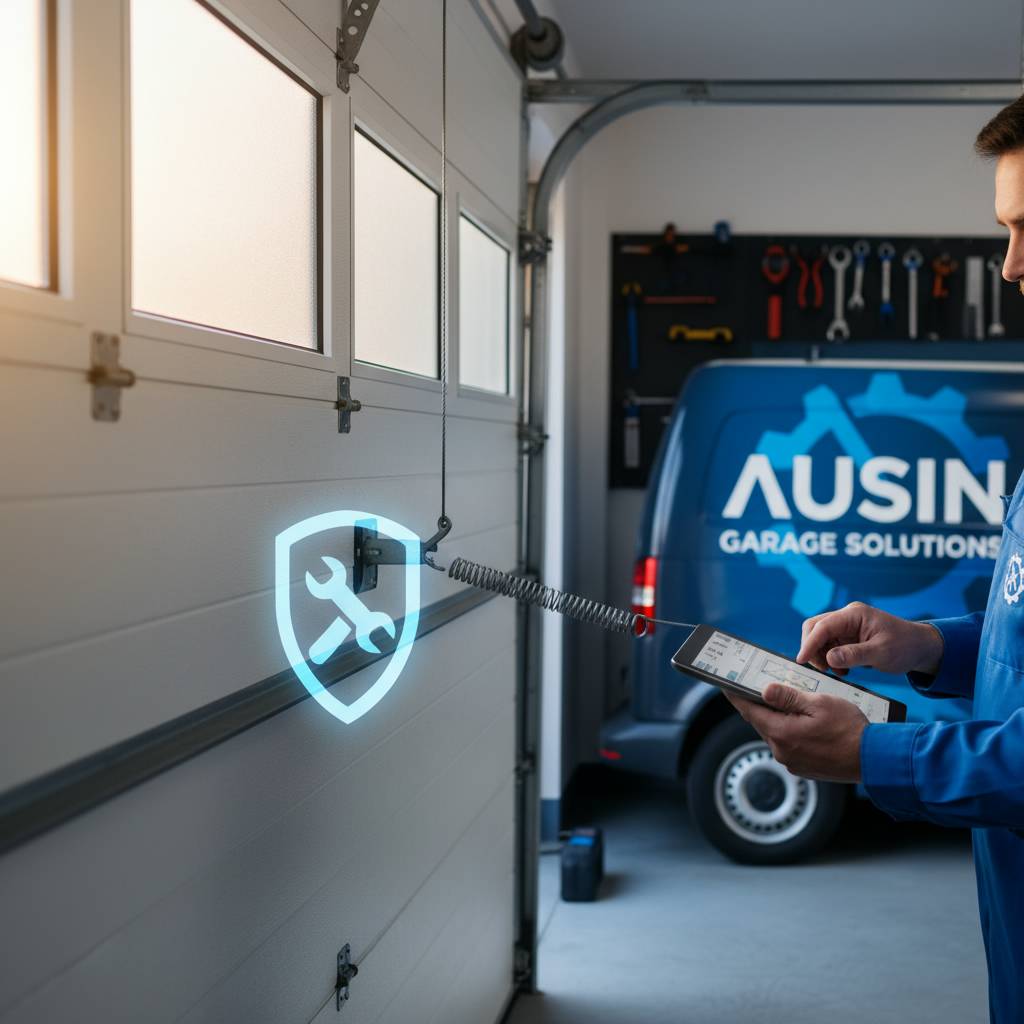 Safety should be the central consideration in every inspection or repair. Never place any part of your body under an unsupported door, and keep children and pets away during testing or maintenance. Use the manual release only when necessary and follow manufacturer instructions to re-engage it safely. If an inspection reveals critical damage, secure the area and call a professional right away rather than attempting a risky temporary fix.
Install or test existing safety features - photo-eye sensors, edge sensors, and manual disconnects - at least twice a year. These systems are designed to protect people and property and can also alert you to alignment or balance issues early on. Small investments in safety devices and training on emergency procedures dramatically reduce the chance of a do-it-yourself repair turning into a dangerous situation.
Comparing DIY care vs. professional maintenance
| Focus | DIY Care | Professional Maintenance |
|---|---|---|
| Frequency | Monthly visual checks; light lubrication | Quarterly or biannual comprehensive inspections |
| Scope | Cleaning, tightening, simple adjustments | Component replacement, spring/cable service, diagnostic testing |
| Risk | Low for minor tasks; high if tackling springs or cables | Low - trained technicians handle hazards safely |
| Long-term value | Extends life with routine effort | Maximizes reliability and often reduces overall costs |
This comparison helps you decide which items to handle and which to trust to a trained team. A hybrid approach works well for many homeowners: perform monthly checks and basic upkeep yourself, and schedule professional maintenance annually or semiannually to handle high-risk components and detailed diagnostics.
Case examples and practical outcomes
One Dallas homeowner noticed a subtle scraping noise and a small rust patch on the door's hinge during a routine monthly check. They scheduled a professional inspection through National Garage Door Services, which identified a worn roller and an out-of-alignment track. A straightforward repair and lubrication prevented a broken spring and a weekend emergency service call, saving both money and disruption to their routine.
In another example, a family experienced intermittent opener failures during storm season. A proper service visit revealed a failing circuit board in the opener combined with a corroded sensor. Replacing the electronics and installing weatherproof sensors eliminated repeated trips by the owners to manually raise the door, reducing both risk and stress during severe weather.
Practical tips to further reduce risk
Simple, consistent habits lower the chance of sudden breakdowns. Keep the track area free of stored items and debris; even small objects can derail rollers or catch on a closing door. Avoid slamming the door and discourage pulling the door down manually without engaging the opener correctly. Consider upgrading to higher-quality rollers and springs if your door is older - the upfront cost often pays back in fewer repairs and quieter operation.
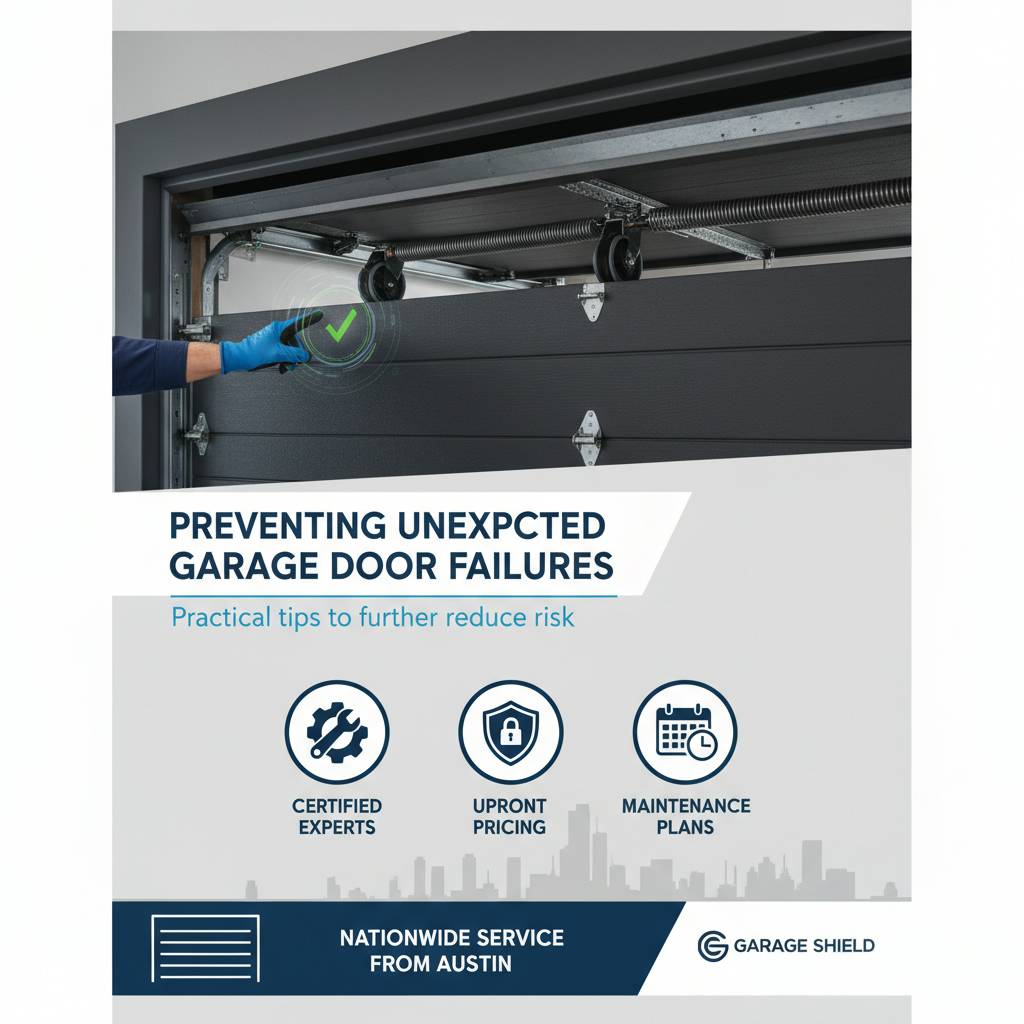
Document your maintenance activities. A short log of inspections, dates of part replacements, and observed issues will help technicians diagnose problems faster and give you a clearer picture of your door's lifecycle. This kind of record-keeping is particularly helpful when evaluating whether to replace a door or continue with targeted repairs.
Why Dallas homeowners choose National Garage Door Services
Homeowners in Dallas rely on National Garage Door Services for practical prevention strategies and dependable maintenance because we combine local experience with a safety-first approach. Our technicians are trained to spot subtle signs of wear and provide transparent recommendations that prioritize long-term reliability over quick fixes. We support both homeowners who like to do basic care themselves and those who prefer scheduled professional maintenance.
If you know what to look for and schedule the right preventive services, you dramatically reduce the likelihood of being faced with an unexpected garage door failure. NGDS and the rest of our team bring expertise and straightforward communication so you can make informed decisions about parts, repairs, and timing.
Call to action and scheduling
If you want a professional assessment, preventative maintenance plan, or just a second opinion after your own inspection, we're ready to help. Call 469-555-8888 to schedule an assessment, ask about affordable maintenance plans, or request a safety inspection that focuses on preventing unexpected garage door failures.
For straightforward guidance and dependable service from local experts, contact National Garage Door Services today. Our team prioritizes safety, reliability, and clear communication to protect both your property and peace of mind.
Closing
 Preventing unexpected garage door failures requires attention, simple routine care, and the right help when problems exceed homeowner capabilities. Use the checklists and tips above to get started, and when you want professional support, reach out to National Garage Door Services at 469-555-8888. We'll help you keep your garage door operating safely and reliably so you can focus on what matters most.